










BLOG
600W Industrial Power Supplies: Why Does 115V vs 230V Input Matter?
QUICK LINKS

Quick Answer: A supply’s AC input range does not mean input current, efficiency and startup behavior are identical across that range. When comparing 115V and 230V operation, retain the exact model, output load, cooling and measurement conditions. Review the applicable specifications and evaluate the equipment at its intended input cases rather than qualifying a global configuration from one convenient bench point.
A development team may have a stable laboratory input while its equipment will be installed in regions with different nominal mains voltages. The prototype runs correctly and the power supply lists an input range covering the target regions. It is tempting to treat the input review as complete. The remaining question is whether the evidence supports the actual equipment configuration across those planned conditions.
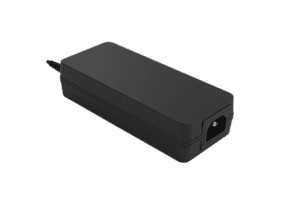
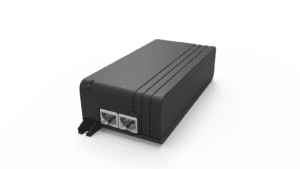
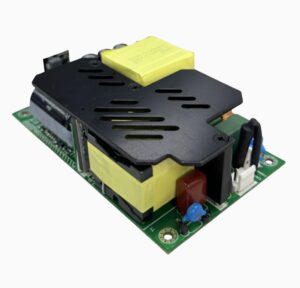
Phihong’s PBL600L-240 and PBL600L-480 are relevant 600W-family candidates for a model-specific discussion. The 300W and 600W selection guide covers the wider architecture decision. This article narrows the review to AC input conditions and the information that belongs beside each comparison.
What does an AC input range establish, and what remains conditional?
The input range is an important screening item, but other specification rows can carry separate conditions. Read the current PBL600L datasheet for the exact output variant and retain the conditions attached to each figure. Do not assume that a value reported at one input applies unchanged at another input merely because both are within the listed range.
Keep operating limits separate from typical measurement points. A nominal 115V or 230V comparison does not cover every installation condition or establish the equipment’s complete acceptance range. Identify the input cases relevant to the equipment and determine what documentation and evaluation support them. Where the supplier information is incomplete, ask a targeted question rather than extending a typical figure into a guarantee.
Confirm the cooling basis at the same time. The PBL600L documentation distinguishes fan-cooled and convection output references. An input comparison should not quietly switch the thermal configuration or output demand between cases. Record the model, output voltage, equipment load and cooling arrangement before interpreting the effect of AC input.
Why This Matters
- An input-range statement and a conditional performance value answer different questions.
- A useful comparison retains the same defined equipment configuration across input cases.
What OEMs Should Do Now
- Keep the exact model and specification conditions beside every input-related figure.
- Identify the intended equipment input cases and assign unresolved supplier questions.
FEATURED PRODUCTS

PBL600L-240
- Output Power - 600W(with Fan)
- Output Volt - 24Vdc
- Features - Class I Design , High Efficiency Performance , OVP, OCP, SCP, OTP Protections , Operating Altitude: 5,000M
PBL600L-480
- Output Power - 600W(with Fan)
- Output Volt - 48Vdc
- Features - Class I Design , High Efficiency Performance , OVP, OCP, SCP, OTP Protections , Operating Altitude: 5,000M
Why can the input-current requirement change with line voltage?
For a simplified single-phase comparison, input current depends on delivered output power, efficiency, power factor and AC voltage. If output power, efficiency and power factor were identical, lowering the voltage from 230V to 115V would double the calculated input current. That explains the direction of the concern; it is not a released current rating for a particular supply.
Real comparisons need the applicable model data and measured equipment behavior. Efficiency and power factor can change with operating conditions, and startup events are a separate question from steady operation. Do not size or qualify an equipment input path from the simplified relationship alone. Use the documentation and evidence applicable to the complete installation.
Review the actual input assembly, including the components and connections selected for the equipment. Identify which current statements cover which conditions and keep their sources traceable. A regional cord or connection that is mechanically convenient still needs to be appropriate for the equipment configuration and intended market requirements.
Procurement should receive a defined requirement rather than an instruction to buy whichever input accessory matches a familiar shape. Retain the approved part combination and review later substitutions against the same evidence. The nominal output wattage is only one input to that decision.
| Comparison item | Record with the result | Avoid assuming |
|---|---|---|
| Steady input current | Input voltage, output load and model | One operating point covers every input case |
| Startup event | Initial conditions and measurement method | Steady current predicts startup behavior |
| Input assembly | Selected parts and supporting evidence | Mechanical compatibility establishes suitability |
Why This Matters
- Lower input voltage can change the current demand for a comparable output requirement.
- Steady operation and startup require different evidence.
What OEMs Should Do Now
- Use exact model information and representative equipment measurements for input-path decisions.
- Retain the selected input-part combination and review substitutions against its documented conditions.
How should OEMs compare efficiency at 115V and 230V?
Compare like conditions. Identify the exact output variant, load, AC input and measurement boundary associated with each efficiency value. A typical figure at one operating point should not be ranked against a minimum value or a measurement made under different conditions. Label the evidence so the reader can see which statements are comparable.
Separate power-supply efficiency from whole-equipment consumption. The equipment can include downstream converters, distribution losses, fans and auxiliary functions. A difference in the supply’s published efficiency does not establish a particular customer energy saving without a defined operating profile and system boundary. Any preliminary estimate should retain its assumptions.
Phihong’s efficiency-rating comparison addresses a related label question. A label or family description should not replace the operating-point comparison needed for this equipment. Return to the candidate’s current documentation and identify which input and load conditions support the figure being used.
If the expected equipment spends significant time at different loads, include those states in the review. A single full-load value may be useful, but it does not describe the complete usage pattern. Decide which observations matter to the actual product rather than selecting the most attractive isolated percentage.
Why This Matters
- Different test conditions can create a misleading efficiency ranking.
- A supply figure alone does not establish the complete equipment’s energy use.
What OEMs Should Do Now
- Record input voltage, load and evidence type beside each efficiency value.
- Use the actual operating profile and measurement boundary when discussing system consumption.
What startup and changing-load evidence should cover both input cases?
Define startup from the equipment’s perspective. A power supply starting and a complete device becoming ready are related events, but they are not necessarily the same measurement. Identify the input event, observed output behavior and equipment acceptance criteria before comparing results. Retain the initial conditions and representative hardware configuration.
Include the operating combinations that produce the equipment’s relevant demand. Displays, processors, interfaces and accessories may not reach their demanding states at the same moment. Use a repeatable plan to determine which cases matter, then retain the event and measurement location with the observations. A brief average should not stand in for an unmeasured event.
The datasheet interpretation guide explains why parameter definitions and conditions matter. Its broader examples are not acceptance limits for the PBL600L or for an unspecified equipment design. Confirm the exact candidate’s information where the application depends on a particular behavior.
Keep an unexplained device reset separate from a confirmed supply event. The receiving circuit, distribution path and software can affect the visible result. Retain enough observations to support a targeted investigation instead of assigning the cause from a single symptom.
Why This Matters
- Equipment readiness can involve more than the supply’s own startup parameter.
- An unexplained device response needs evidence before its cause is assigned.
What OEMs Should Do Now
- Define the input event, measurement locations and equipment acceptance criteria before evaluation.
- Compare representative startup and changing-load cases at the intended input conditions.
How should the regional input review be documented for release?
Use a comparison record with one row per evaluated input case. Include the model, output variant, equipment load, cooling configuration, supplied input parts and relevant results. Mark untested cases clearly. This makes it harder for a result from one laboratory setup to become an unsupported statement about every regional installation.
Keep commercial and technical questions separate. A candidate may appear in the internal power supply range while its sample configuration, available documentation or ordering details still need confirmation. Ask Phihong which current model and documents should govern the evaluation, then retain the response with the equipment revision.
Review the record after any change to the input assembly, supply variant, load or cooling arrangement. Determine which earlier evidence remains representative rather than copying the previous approval into a changed configuration. A concise explanation of that decision is more useful than a long checklist with no connection to the tested assembly.
The release decision should show that the equipment’s intended input cases were addressed using applicable documentation and evidence. Where an uncertainty remains, name the required supplier answer or equipment evaluation. An input-range label alone should not hide an unfinished qualification question.
Why This Matters
- A traceable input matrix makes regional assumptions visible to engineering and procurement.
- Configuration changes can affect whether earlier results still support the release decision.
What OEMs Should Do Now
- Retain an input-case matrix linked to the evaluated equipment and supply configuration.
- Confirm remaining model-specific conditions and supplied sample details with Phihong.
Frequently Asked Questions
Does a wide AC input range mean identical performance at 115V and 230V?
No. Read the conditions attached to each specification. Input current, efficiency and startup-related statements may use defined measurement points. Compare the exact model and operating configuration, then evaluate the equipment cases that matter to the intended installations. Do not extrapolate an isolated typical value across the entire range.
Will input current always be exactly twice as high at 115V?
Only in a simplified comparison where output power, efficiency and power factor are identical. Real operating conditions and model behavior need to be considered. Use the applicable current information and representative equipment evidence for component and assembly decisions, rather than treating the simplified relationship as a guaranteed measurement.
Can one 230V bench test qualify equipment intended for 115V use?
A result at one input does not automatically establish another input case. Identify the equipment’s required conditions and the evidence needed for each. Retain the model, load, cooling, input assembly and measurement method so the responsible team can decide which results are representative and which cases still need evaluation.
Does higher published efficiency prove a specific annual energy saving?
Not by itself. An annual saving depends on the actual equipment consumption, operating time, load pattern and comparison boundary. A supply efficiency figure is only one input. Label calculations as estimates and retain their assumptions until supported by representative measurements and a defined usage profile.
What should we ask Phihong about a 600W input comparison?
Provide the exact output variant, load profile, cooling arrangement and intended input cases. Ask which current model documentation and supplied configuration should govern evaluation, and identify any unclear specification conditions. Confirm sample availability directly so the technical discussion and commercial planning use the same candidate.