









BLOG
How to Design Internal Medical Power Systems: Isolation, EMC, and Compliance Explained
QUICK LINKS
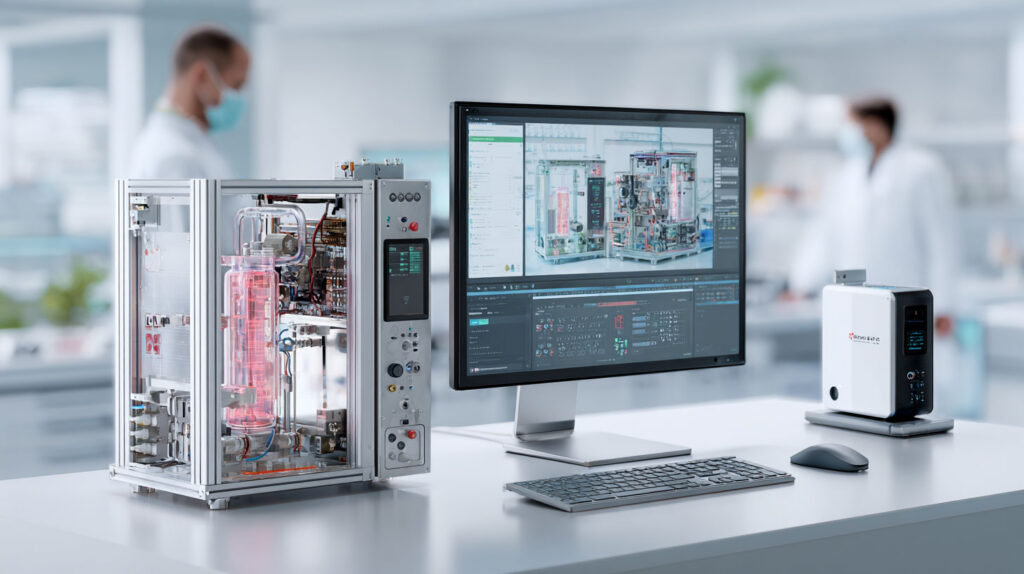
Why is internal power design more complex in medical devices?
Designing internal power systems in medical devices is not just about delivering stable voltage. It involves balancing safety, regulatory compliance, electromagnetic behavior, and real-world operating conditions inside a tightly controlled enclosure. Unlike general embedded electronics, medical devices operate under stricter expectations because they may be used near patients, connected to sensitive monitoring systems, or deployed in environments where reliability is critical.
Internal power design becomes more complex because the power supply is no longer isolated from the rest of the system. It interacts directly with processors, sensors, communication modules, displays, and mechanical components. Heat, noise, and grounding all become shared challenges rather than isolated variables. A design that works electrically can still fail during compliance testing or long-term operation if isolation, leakage current, or EMC behavior is not properly accounted for.
For OEM teams, this means internal power is not just a component decision. It is a system-level responsibility. Every design choice affects how the device performs, how it passes certification, and how it behaves over time. That is why isolation, EMC, and compliance must be considered together from the beginning, not treated as separate checkpoints later in development.
Why This Matters
• Internal power systems directly influence safety, reliability, and regulatory compliance.
• Power design interacts with thermal, mechanical, and signal systems.
• Poor early decisions often lead to costly redesigns.
What OEMs Should Do Now
• Treat internal power as part of system architecture.
• Evaluate isolation, EMC, and leakage early.
• Align engineering and compliance teams from the start.
Mini Q&A
Why is internal power harder than external?
Because it shares the same enclosure and environment as sensitive circuits.
Can a design pass electrical tests but fail compliance?
Yes. EMC and leakage issues often appear later.
When should power design decisions happen?
At the beginning of the system architecture phase.
Internal power design is a system responsibility, not a component shortcut.
Useful Links
Related Links
- How to Choose an Open-Frame Medical Power Supply
- Power Supply Decisions OEMs Regret Most
- Best Guide to Medical Power Supplies
FEATURED PRODUCTS
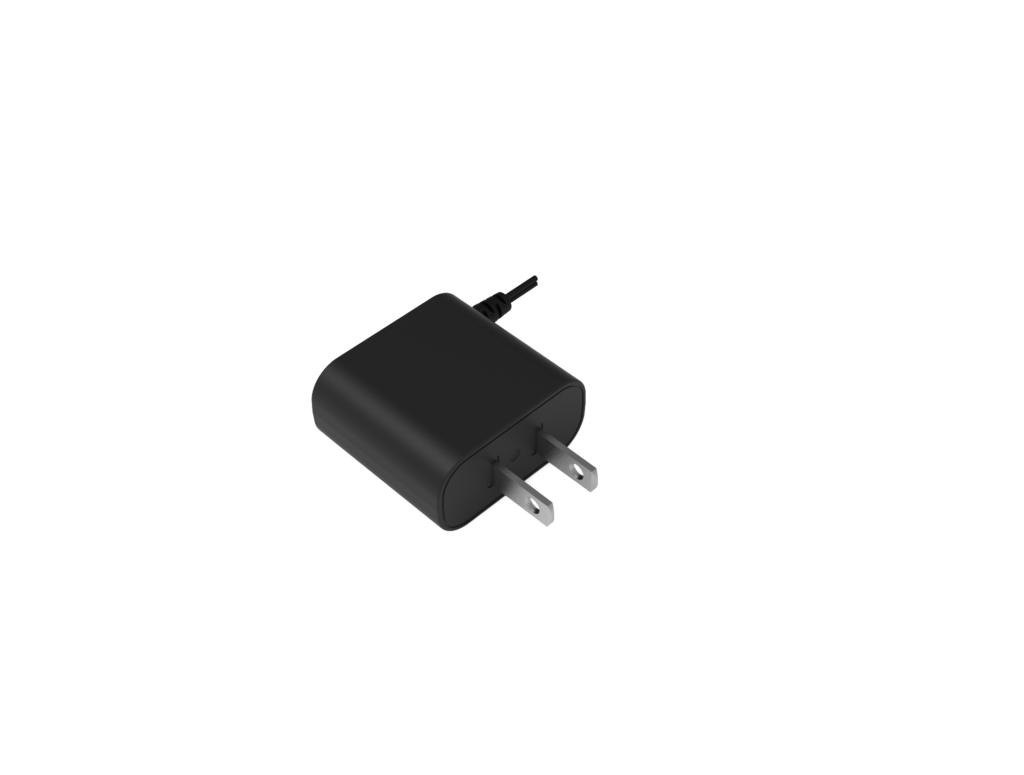
AA03A-075A-R
- Output Power - 2.75W
- Output Volt - 7.5V
- Output Current - 0.366A
- Features - Fixed Blade AC Input, Limited Power Source, Class B EMI, Level VI Efficiency, Standard Barrel Connector
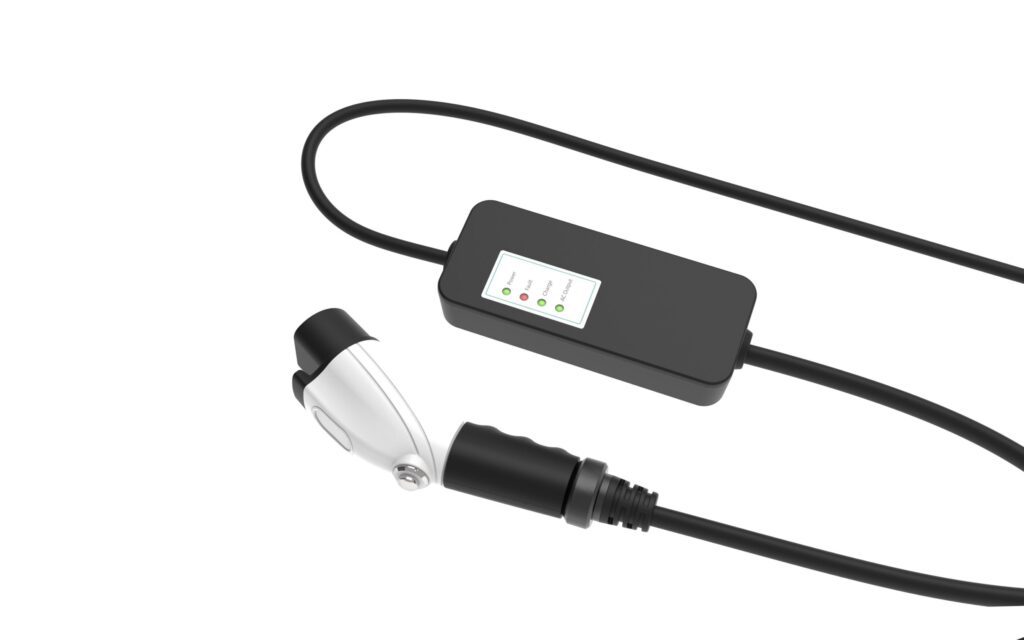
AC Series
- Output Current - 16A
- Features - Mode 2-chargers can use a circuit ranging from 8Amp to 16Amp with a local standard AC input plug installed for operation, Provides overcurrent, over voltage and short circuit protection, Protected against strong jets of water from all directions, Continuously monitors/supervises the ground connection between the AC supply and EV to ensure safe and reliable charging
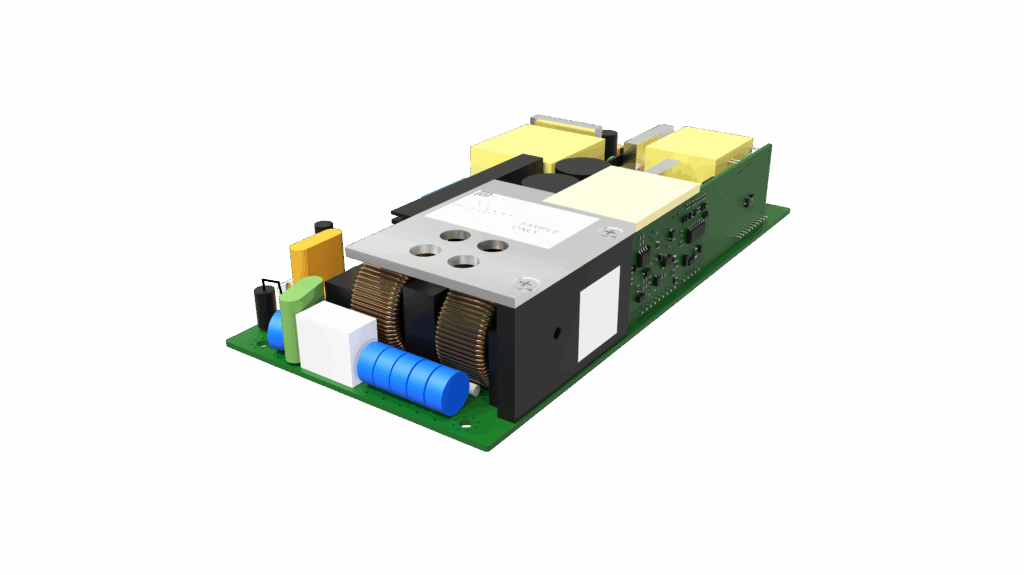
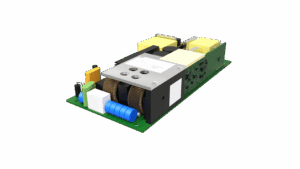
BF550-234A-R
- Output Power - 550W
- Output Volt - 12Vdc / 54.5Vdc
- Features - Universal AC Input range, Class I Design , Class B EMI , High Efficiency Performance , OVP, OCP, SCP, OTP Protections , Operating Altitude: 5,000M
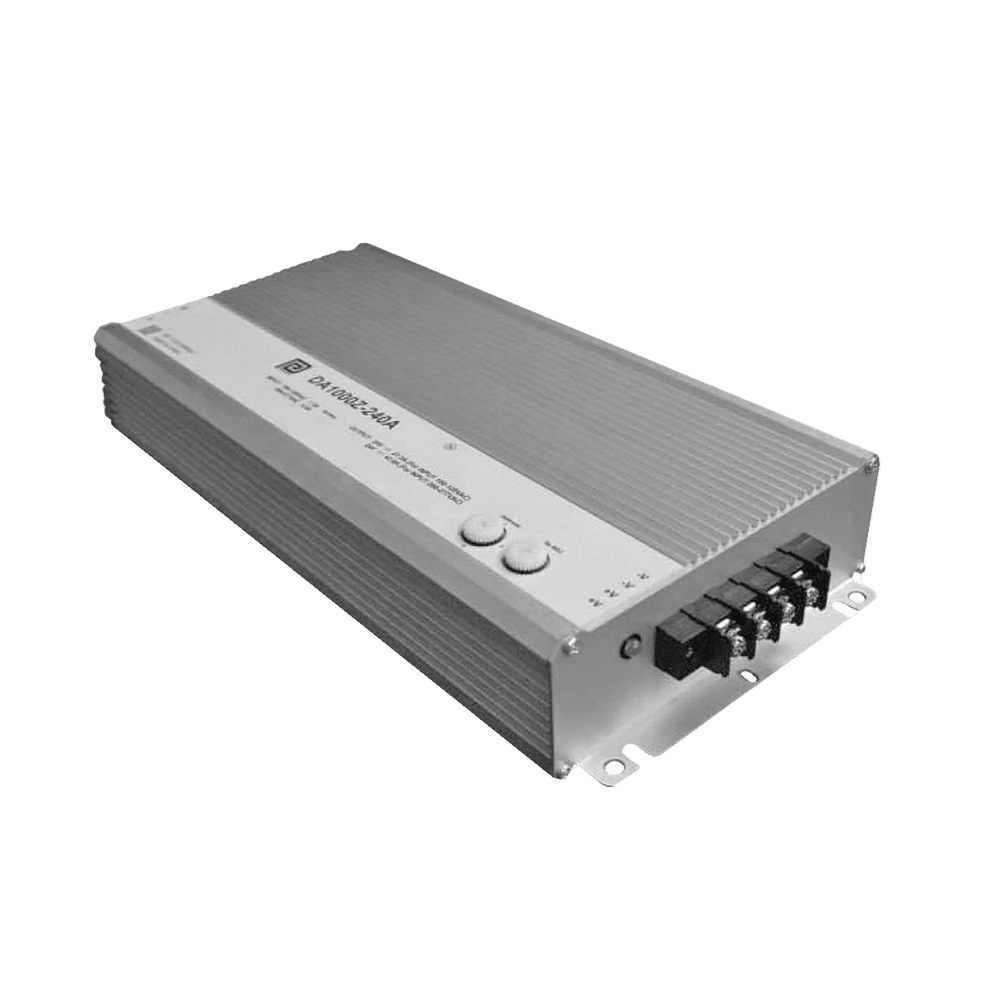
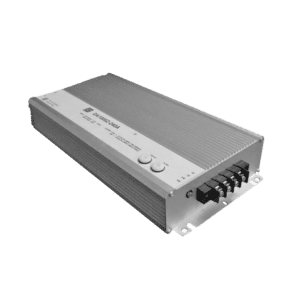
DA1000Z-240AEV-R
- Output Power - 1000W
- Output Volt - 24V
- Output Current - 1000W
- Features - Extended operating temperature range of -40℃ to 70℃, Fan-less aluminum case filled with heat conductive glue, Able to withstand 10G vibration, Power on LED indicator, Short Circuit, Over Current, Over Voltage, and Over Temperature Protections, & Adjustable output through potentiomete
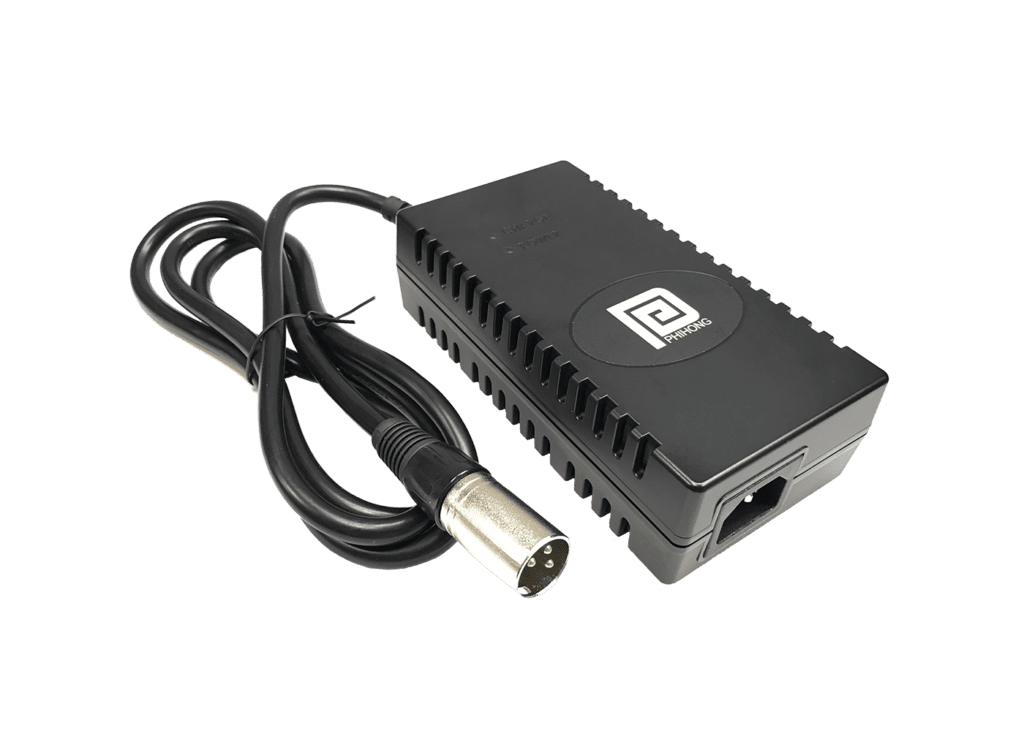
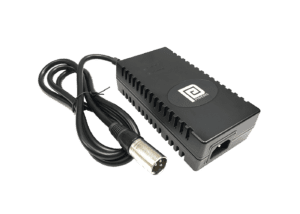
DA60U-240A-R
- Output Power - 60W
- Output Volt - 24V
- Output Current - 2.5A
- # of ports - 1
- Features - RESNA Compliant, CEC Compliant, LED Indicators Charge State, OVP, OTP, SCP, Charges AGM Batteries, Max 12hrs Charging Time
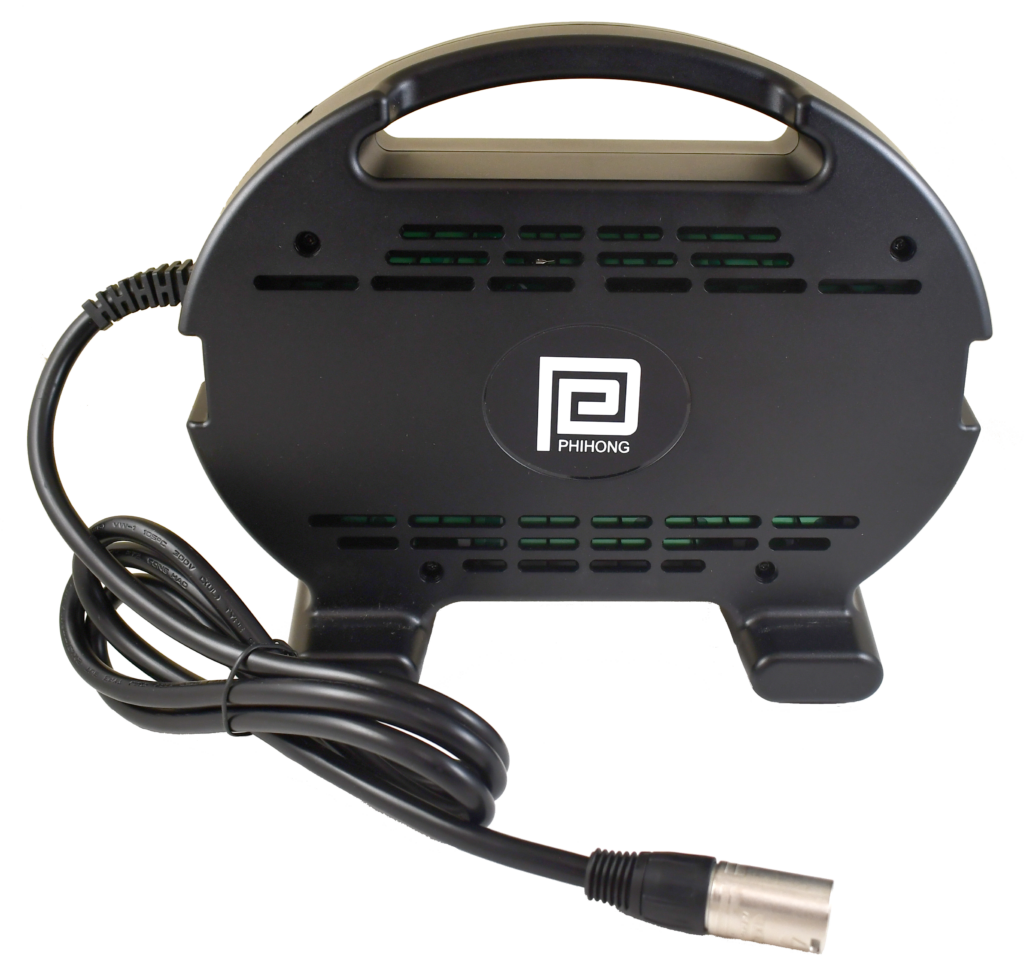
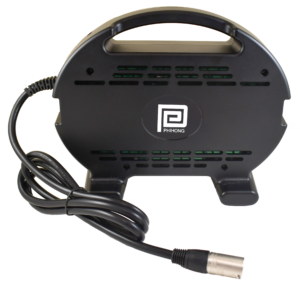
DA200U-250A-R
- Output Power - 200W
- Output Volt - 24V
- Output Current - 8A
- # of ports - 1
- Features - RESNA Compliant, CEC Compliant, LED Indicators Charge State, OVP, OTP, SCP, Dual-Mode Charger, Charges GEL or AGM batteries, Max 12hrs Charging Time
How does isolation design impact safety and compliance in medical power systems?
Isolation is one of the most critical aspects of internal medical power design. It defines how electrical separation is maintained between high-voltage input and low-voltage output sections. In medical devices, this is directly tied to patient safety and regulatory requirements such as IEC 60601.
The challenge with internal power systems is that isolation must be maintained inside the device, alongside other circuits. That increases complexity in PCB layout, spacing, grounding, and shielding. Even small compromises can affect leakage current and compliance performance.
For OEM teams, isolation design is not just a requirement. It is a system strategy that must hold under real conditions such as temperature, humidity, and long-term operation.
Why This Matters
• Isolation directly impacts patient safety.
• Internal layouts must maintain creepage and clearance.
• Poor design leads to certification failure.
What OEMs Should Do Now
• Design isolation paths early.
• Validate spacing in real layouts.
• Consider environmental conditions.
Mini Q&A
What is isolation?
Electrical separation between circuits to prevent harmful current flow.
Why harder internally?
Because components are closer together.
Does it affect compliance?
Yes, directly tied to IEC standards.
Isolation is the foundation of safe medical power.
Useful Links
Related Links
- What Is IEC 60601 and Why It Matters
- Medical vs Industrial Power Safety
- Medical Power Selection Guide
How does EMC design affect internal medical power performance?
EMC is one of the most common causes of failure during compliance testing. Internal power systems are major sources of electrical noise, especially in compact medical devices where sensitive circuits are located nearby.
The challenge is that switching power supplies generate emissions that can interfere with sensors, communication modules, and measurement circuits. Even when electrical performance is stable, noise can impact system accuracy.
OEM teams must treat EMC as a system-level design issue involving layout, filtering, grounding, and shielding decisions.
Why This Matters
• EMC failures are a leading cause of compliance delays.
• Power systems generate noise that affects device performance.
• Poor EMC design impacts reliability and accuracy.
What OEMs Should Do Now
• Plan EMC early.
• Separate sensitive circuits.
• Validate emissions before final design.
Mini Q&A
What is EMC?
Ability to operate without interference.
Why harder internally?
Noise sources are closer together.
When to address EMC?
At the start of design.
EMC performance must be designed, not corrected later.
Useful Links
Related Links
CLIENT'S QUOTE
Phihong’s custom OEM power solutions have transformed our product development, boosting performance and reducing overhead. Their expert engineering support has simplified both the design and manufacturing phases.
How do thermal design and power density impact internal medical power systems?
Thermal design is one of the most critical and often underestimated aspects of internal medical power systems. As devices become smaller and more feature-rich, power density increases, which means more heat is generated in a smaller space. In open-frame internal power designs, that heat is not isolated. It directly affects nearby components, airflow patterns, and overall system stability.
In medical devices, thermal behavior is closely tied to reliability and compliance. A power supply that runs hotter than expected may still function in early testing but can degrade faster over time, introduce instability, or trigger derating under continuous operation. When thermal limits are exceeded, performance margins shrink, and the risk of failure increases. This is especially important in patient-facing devices where consistent operation is required.
For OEM teams, thermal design must be considered as part of the entire system layout. This includes airflow paths, component spacing, heat dissipation methods, and enclosure materials. A well-designed thermal strategy helps the internal power system operate within safe limits while maintaining long-term reliability. Ignoring these factors early often leads to costly redesigns later.
Why This Matters
• Higher power density increases thermal stress inside compact medical devices.
• Internal heat buildup can reduce reliability and trigger early derating.
• Thermal issues often appear late if not addressed during initial design.
What’s Driving This Shift
• Medical devices are becoming smaller while adding more integrated functionality.
• Processing power, connectivity, and display requirements continue to raise internal heat load.
• OEM teams want compact devices without sacrificing reliability or compliance margin.
What OEMs Should Do Now
• Design airflow paths and heat dissipation strategy early in enclosure development.
• Validate thermal performance under real operating conditions, not just bench assumptions.
• Select internal power solutions that match the device’s expected duty cycle and thermal limits.
Mini Q&A
Why does power density matter in medical devices?
More power in less space creates more thermal stress, which can affect reliability and usable power margin.
Can thermal issues affect compliance?
Yes. Excess heat can change component behavior and create failures during long-duration or system-level testing.
When should thermal validation happen?
Early in design and again during realistic enclosure-level verification.
Thermal design determines whether internal power stays stable over time or becomes a hidden failure point.
Useful Links
Related Links
- How to Validate Thermal Performance of Open-Frame Power Supplies in Real Enclosures
- Why Do DC-DC Converters Overheat in Compact Designs and How Can Engineers Prevent Failure?
- How Thermal Design Affects Open-Frame Medical Power Supply Performance
How do internal power design decisions affect long-term reliability and product lifecycle?
Internal power design decisions have a direct impact on long-term reliability and the overall lifecycle of a medical device. Unlike external adapters that can be replaced independently, internal power systems are deeply integrated into the product. That means any weakness in power delivery, thermal management, isolation, or EMI control can affect the entire device over time.
In medical applications, reliability is not just about uptime. It is about consistent performance under varying conditions, including temperature changes, continuous operation, cleaning protocols, and long-term wear. Poor power design can lead to gradual degradation, intermittent failures, or unexpected behavior that only appears after extended use. These issues are often difficult to diagnose and even harder to fix once the product is in the field.
For OEM teams, this makes early design discipline essential. Internal power systems should be evaluated not only for immediate performance but also for durability over the expected lifespan of the device. This includes component selection, derating margin, layout discipline, and stress handling over time. A well-designed internal power system reduces maintenance risk, improves product consistency, and supports a longer lifecycle.
Why This Matters
• Internal power failures affect the whole device, not just a replaceable external component.
• Long-term reliability is critical in medical environments where consistency matters.
• Early design decisions influence performance, maintenance, and lifecycle cost.
What OEMs Should Do Now
• Design for long-term stability, not only first-pass electrical success.
• Include stress testing, lifecycle evaluation, and margin review in validation plans.
• Use component choices and layouts that support durable operation in real conditions.
Mini Q&A
Why is internal power more critical for long-term reliability?
Because it is built into the device and harder to replace, so failures affect the whole product more directly.
What causes long-term power-related failures?
Thermal stress, aging components, insufficient design margin, and poorly controlled noise or grounding.
How can OEMs improve reliability?
By designing with margin, validating under real conditions, and choosing components suited for long operating life.
Reliability is designed into internal power architecture long before the product reaches the field.
Useful Links
Related Links
- The Power Supply Decisions OEMs Regret Most and Why They’re Hard to Fix Later
- Medical Power Supply: How to Choose the Best Solution for Safe, Reliable Medical Devices
- Best Guide to Medical Power Supplies for Modern Medical Devices
How do internal power design choices affect layout, grounding, and system integration?
Internal medical power design influences much more than the power block itself. It affects PCB layout priorities, grounding topology, cable routing, shielding decisions, and the placement of sensitive analog and digital subsystems. Once the power supply is integrated inside the product, it becomes part of the entire electrical environment rather than a separate input source outside the enclosure.
This matters because power routing and grounding are often where otherwise solid designs start to fail. Shared return paths, noisy ground references, poor separation between sensitive circuits and switching nodes, or awkward placement of connectors and filters can all create system-level problems. In medical devices, those issues can affect measurement accuracy, EMC behavior, compliance outcomes, and long-term stability. Even when the PSU itself is well chosen, poor system integration can still create avoidable problems.
For OEM teams, this means internal power design needs to stay tightly connected to PCB planning and enclosure-level system architecture. A strong internal power strategy supports clean layout, predictable grounding, and a quieter system overall. That reduces risk not only during testing, but also during manufacturing and field operation.
Why This Matters
• Internal power affects layout, grounding, shielding, and system-level signal integrity.
• Poor routing or grounding can create EMC, noise, and stability problems even with a capable PSU.
• Integration mistakes often appear as system problems rather than obvious power-supply failures.
What OEMs Should Do Now
• Plan power routing, grounding, and sensitive-circuit separation as part of early PCB architecture.
• Keep noisy switching sections isolated from measurement, sensor, and communication paths when possible.
• Review enclosure and cable routing together with board layout to reduce integration surprises.
Mini Q&A
Why does layout matter so much in internal medical power design?
Because the PSU shares the same PCB and enclosure environment as circuits that may be sensitive to noise and grounding issues.
Can a grounding mistake look like an EMC or performance problem?
Yes. Grounding issues often show up as noise, instability, or compliance failures rather than obvious power faults.
Should system integration be reviewed with the PSU choice?
Yes. Power design and system layout influence each other too much to treat them separately.
Good internal power design only works when the rest of the system is ready to support it.
Useful Links
- Open-Frame Internal Power Supplies
- Internal Power Supply: Everything You Need to Know
- OEM Power Solutions
Related Links
- What Compliance Engineers Look for in Internal PSUs: EMI, EMS, and Safety Basics
- How to Choose an Open-Frame Medical Power Supply for Embedded Healthcare Equipment
- Best Guide to Open-Frame Internal Power Supplies: How to Choose the Right Internal PSU for Industrial Equipment
How Phihong supports internal medical power system design
For OEM teams designing internal medical power systems, Phihong can be most useful as both a product path and a technical education path. The combination of medical power offerings and open-frame internal power categories helps teams compare architectures based on integration, safety, thermal behavior, and system requirements rather than just output rating.
Phihong’s product categories help narrow suitable power paths quickly, while related technical articles support deeper understanding of isolation, EMC, thermal behavior, compliance, and internal integration tradeoffs. That combination gives engineers and sourcing teams a clearer way to move from early research into more practical evaluation without losing context.
In practice, Phihong supports internal medical power design by helping teams compare options, understand tradeoffs, and identify which product families deserve closer technical review. That keeps the process focused on building reliable and compliant medical products rather than making isolated component decisions without system context.
Why This Matters
• Access to both product options and technical guidance improves internal power decisions.
• Structured categories help teams move from broad research into targeted evaluation faster.
• Supporting content connects real design risks with more practical product selection.
What OEMs Should Do Now
• Start with product categories, then use supporting technical content to evaluate design tradeoffs in context.
• Compare internal power options against the complete system architecture, not just nominal output requirements.
• Focus on solutions that support the real compliance, thermal, and integration goals of the medical device.
Mini Q&A
What is the best way to start on the Phihong site for internal power design?
Begin with the medical and open-frame internal power categories, then review the most relevant technical articles for deeper design context.
Does Phihong support more than one internal medical power path?
Yes. The site structure helps teams compare broader medical and internal power options depending on the device architecture.
Why are technical resources useful during product selection?
Because they help connect compliance, thermal, EMC, and integration challenges to the actual power choices under review.
A stronger product path and knowledge path usually lead to cleaner internal power decisions.
Useful Links
Related Links
- How to Choose an Open-Frame Medical Power Supply for Embedded Healthcare Equipment
- Best Guide to Open-Frame Internal Power Supplies: How to Choose the Right Internal PSU for Industrial Equipment
- Medical Power Supply: How to Choose the Best Solution for Safe, Reliable Medical Devices
Choosing an internal medical power strategy is not just an electrical decision. It is a system-level decision that affects safety, EMC, thermal stability, reliability, and long-term product performance.
OEM teams that evaluate isolation, grounding, EMC, thermal behavior, and lifecycle reliability together will be better positioned to build medical devices that perform more consistently with fewer surprises during validation and field use.

CONTACT US TODAY
From concept to production, Phihong delivers custom OEM power solutions tailored to your specifications.
FAQ
Why is internal medical power design harder than using an external adapter?
Because the power system shares the same enclosure, thermal environment, and grounding system as the rest of the device. That increases the importance of layout, isolation, EMC control, and thermal planning.
What is the biggest compliance risk in internal medical power design?
Usually it is not just one issue. Problems often come from how isolation, leakage current, EMC, spacing, and grounding interact in the finished system.
Why does thermal design matter so much for internal medical power?
Because heat stays inside the enclosure and can reduce usable power margin, long-term reliability, and compliance performance if it is not managed early.
Can a power supply look correct on paper but still fail in the final device?
Yes. A PSU can appear acceptable in isolation, but still create system-level issues once enclosure conditions, layout choices, and sensitive circuits are involved.
What should OEM teams review first when designing internal medical power?
Start with the full system architecture. Isolation, EMC, thermal behavior, grounding, and lifecycle goals should all be considered before the enclosure and PCB layout are locked.
POE technology supports the centralization of power

AC Adapter Guide: Everything You Need to Know
Moreover, PoE technology supports the centralization of power management. By powering devices through a PoE-enabled network …
AC DC Power Chargers and How They Work: A Comprehensive Technical Breakdown
Moreover, PoE technology supports the centralization of power management. By powering devices through a PoE-enabled network …

USB-C Charger: Shaping the Future of the Tech World
Moreover, PoE technology supports the centralization of power management. By powering devices through a PoE-enabled network …

AC Adapter Guide: Everything You Need to Know
Moreover, PoE technology supports the centralization of power management. By powering devices through a PoE-enabled network …

AC DC Power Chargers and How They Work: A Comprehensive Technical Breakdown
Moreover, PoE technology supports the centralization of power management. By powering devices through a PoE-enabled network …

USB-C Charger: Shaping the Future of the Tech World
Moreover, PoE technology supports the centralization of power management. By powering devices through a PoE-enabled network …