









BLOG
Best Guide to 130W and 200W 3×2-Inch Open-Frame Power Supplies for OEM Integration
QUICK LINKS
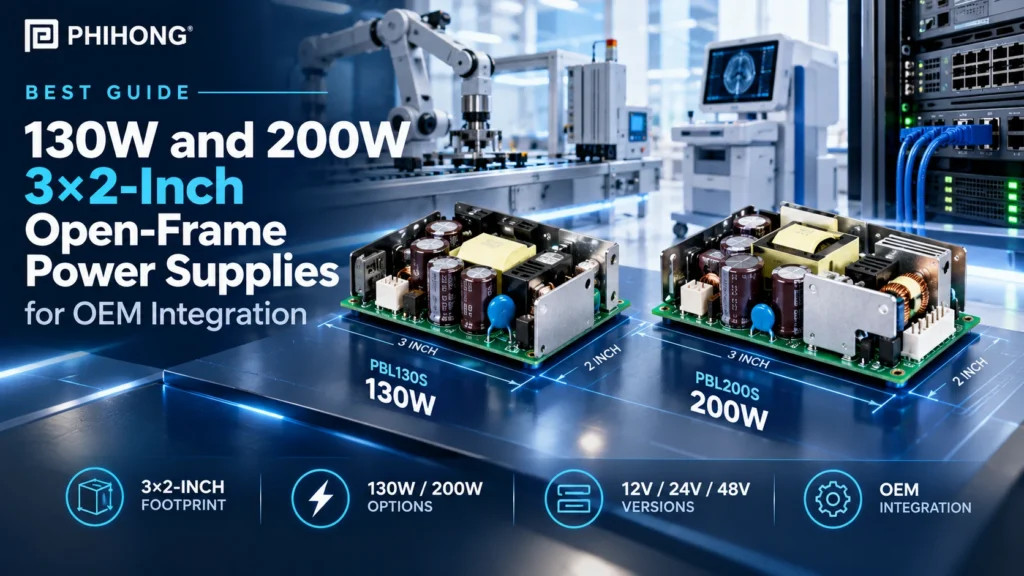
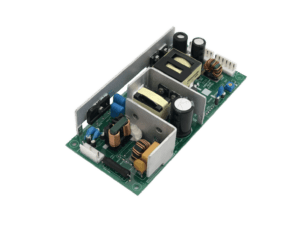
Choose between Phihong’s PBL130S and PBL200S open-frame families by matching the device’s DC rail, required load and available cooling, then checking the complete installation. Their 3×2-inch board class does not establish equal height, equal output under convection or approval of the finished OEM equipment.
The official family datasheets make the cooling distinction explicit: PBL130S lists 100W with convection and 130W with forced cooling, while PBL200S lists 150W with convection and 200W with fan cooling. Both families identify 12V, 24V and 48V variants. This guide builds an integration decision around those documented capabilities and flags the details that still need clarification in released drawings and test information.
What does the 130W versus 200W comparison actually mean?
The headline power classes describe different candidates, but the cooling mode changes the comparison an OEM can use. A fanless system should not budget the forced-cooled figure simply because it appears in a family name. Start with the cooling-dependent output listed in the source, then confirm the conditions under which the exact model can sustain that output.
The two families share a listed 76.2 × 50.8mm footprint. Their listed heights differ. That makes the decision electrical and mechanical: additional capacity may require a different vertical space and a qualified airflow arrangement. A small board footprint does not include wiring clearance, insulation safeguards, connector access or the space needed to deliver cooling.
| Characteristic | PBL130S family | PBL200S family |
|---|---|---|
| Convection-cooled output | 100W listed | 150W listed |
| Forced/fan-cooled output | 130W family class listed | 200W family class listed |
| Nominal output variants | 12V, 24V, 48V | 12V, 24V, 48V |
| Listed footprint | 76.2 × 50.8mm | 76.2 × 50.8mm |
| Listed height in millimetres | 28mm | 38.1mm; inch text conflicts |
Use these as screening values, not proof that your enclosure already meets the rating conditions. The documents do not provide a complete airflow prescription or detailed derating curve.
Why This Matters
- Cooling-dependent output can change which family meets the same device power requirement.
- A shared board footprint can hide different height and installation demands.
What OEMs Should Do Now
- Define convection or forced cooling before comparing the family power classes.
- Confirm the exact model rating and released mechanical drawing before committing the layout.
Useful Links
PBL130S family datasheet and PBL200S family datasheet
FEATURED PRODUCTS
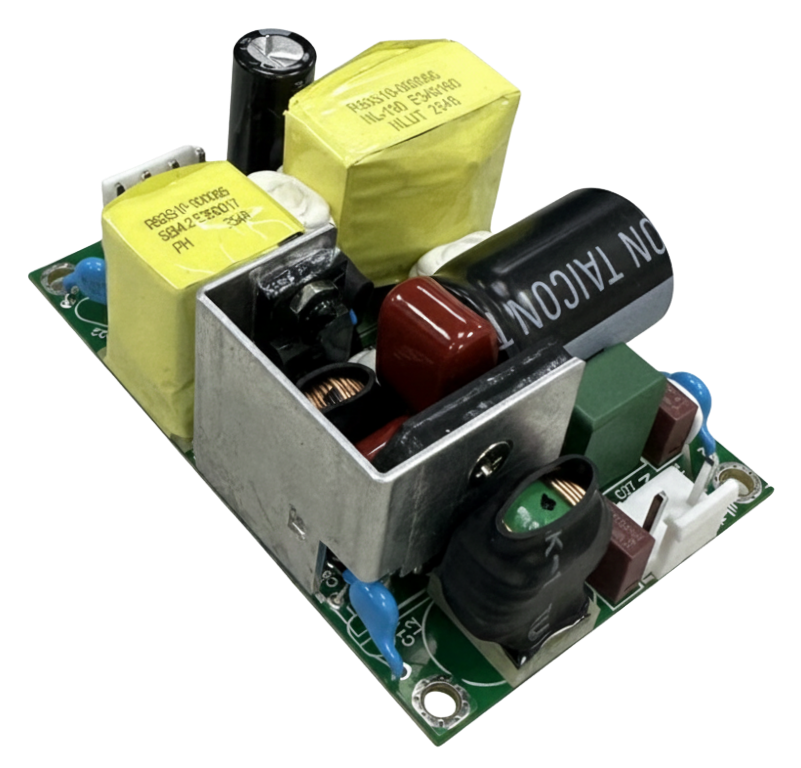
PBL130S-120
- Output Power - 130W(with Fan)
- Output Volt - 12Vdc
- Features - Class B EMI , High Efficiency Performance , OVP, OCP, SCP, OTP Protections , Operating Altitude: 5,000M
PBL130S-240
- Output Power - 130W(with Fan)
- Output Volt - 24Vdc
- Features - Class B EMI , High Efficiency Performance , OVP, OCP, SCP, OTP Protections , Operating Altitude: 5,000M
PBL130S-480
- Output Power - 130W(with Fan)
- Output Volt - 48Vdc
- Features - Class B EMI , High Efficiency Performance , OVP, OCP, SCP, OTP Protections , Operating Altitude: 5,000M
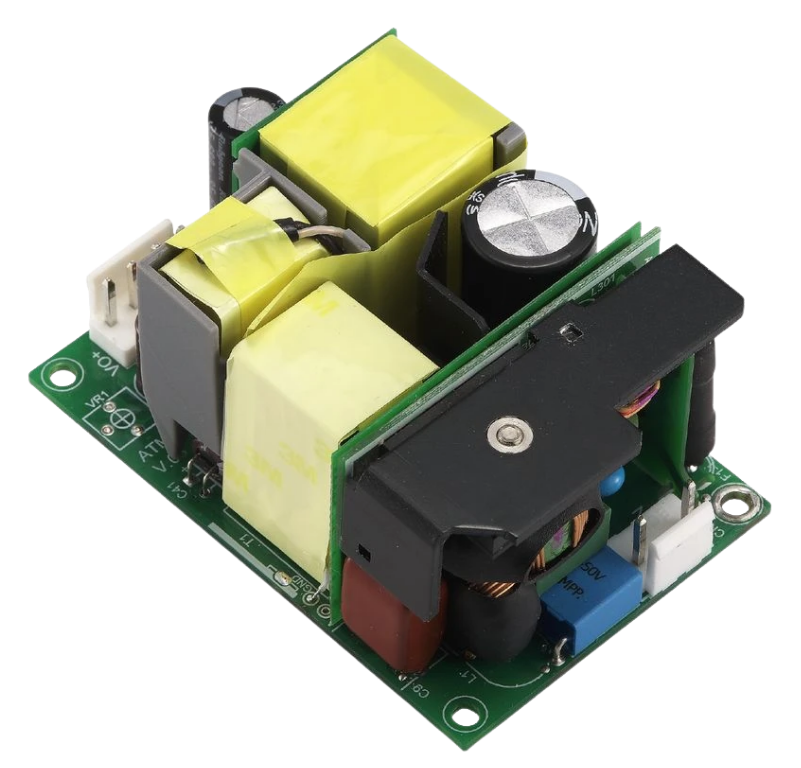
PBL200S-120
- Output Power - 200W(with Fan)
- Output Volt - 12Vdc
- Features - Class B EMI , High Efficiency Performance , OVP, OCP, SCP, OTP Protections , Operating Altitude: 5,000M
PBL200S-240
- Output Power - 200W(with Fan)
- Output Volt - 24Vdc
- Features - Class B EMI , High Efficiency Performance , OVP, OCP, SCP, OTP Protections , Operating Altitude: 5,000M
PBL200S-480
- Output Power - 200W(with Fan)
- Output Volt - 48Vdc
- Features - Class B EMI , High Efficiency Performance , OVP, OCP, SCP, OTP Protections , Operating Altitude: 5,000M
For the detailed integration checks behind this open-frame comparison, review 130W versus 200W power budgeting, airflow planning for a 200W open-frame power supply, 12V, 24V and 48V output selection and hold-up time and transient response.
How should OEMs select the 12V, 24V or 48V variant?
The output variants are separate fixed-voltage models. Choose the rail required by the equipment and its downstream power architecture. A 48V model is not a substitute for a 12V input merely because the power class matches. Check the accepted voltage range of every directly connected load and specify any downstream conversion separately.
For a given load power, voltage changes current through the relationship current equals power divided by voltage. That affects connector, conductor and distribution planning, but it does not make the highest voltage universally preferable. The load’s input requirement, conversion losses and practical distribution arrangement determine whether a rail fits. Do not infer a model’s exact maximum current from a rounded family name.
| Nominal DC rail | PBL130S candidate | PBL200S candidate |
|---|---|---|
| 12V | PBL130S-120 | PBL200S-120 |
| 24V | PBL130S-240 | PBL200S-240 |
| 48V | PBL130S-480 | PBL200S-480 |
Applications named in supplier material, such as PoE and IoT, are context rather than an interface approval. A listed 48V rail does not by itself establish suitability for every networking or PoE architecture.
Why This Matters
- A voltage mismatch cannot be repaired by selecting a larger wattage rating.
- The chosen rail affects current distribution and downstream converter requirements.
What OEMs Should Do Now
- Map each load’s accepted input and required conversion stage before choosing the model.
- Obtain exact output-current and adjustment information for the released variant.
Useful Links
PBL130S voltage and model mapping
What mechanical details remain beyond the 3×2-inch footprint?
An open-frame supply is a component of an enclosure design. Allow space for mounting, input and output connections, wiring routes and the safeguards required by the product. A nominal footprint is a board-size description, not the total installation envelope or a mounting-hole drawing.
The source documents need careful handling here. Both list a 76.2 × 50.8mm footprint, but their inch descriptions reverse the stated length and width order. PBL200S also lists 38.1mm height alongside 1.6 inches, which do not agree. Quote the millimetre figures as listed for screening and obtain the released drawing before using them to settle orientation or clearance.
| Item | Evidence to obtain |
|---|---|
| Board and component envelope | Current drawing with maximum dimensions and orientation |
| Mounting arrangement | Hole pattern, approved support method and hardware details |
| Connections | Connector identification, wire routing and access requirements |
| Installed clearance | Enclosure review including airflow and required safeguards |
Review a representative assembly, not only a CAD rectangle. Changes to the enclosure or nearby hardware can affect connector access and thermal behavior even when the supply remains in the same board location.
Why This Matters
- Document inconsistencies can become irreversible layout errors if treated as resolved dimensions.
- The supply’s installed envelope extends beyond its advertised footprint.
What OEMs Should Do Now
- Request a released drawing that resolves the dimension-order and height questions.
- Check mounting, connectors and surrounding hardware with the actual installation model.
Related Links
Phihong’s broader guide to internal open-frame integration
How should the cooling requirement be qualified in the enclosure?
Forced cooling means the cooling arrangement is part of the power budget. The PBL200S document distinguishes 150W convection from 200W fan cooling, while PBL130S distinguishes 100W convection from 130W forced cooling. Neither concise datasheet supplies a complete fan selection, airflow direction or pressure requirement. A fan’s presence somewhere in the enclosure does not establish the stated rating conditions.
Ask for the supplier’s test arrangement and applicable derating information. Then evaluate air reaching the supply in the intended installation, including restrictions and nearby heat sources. Both documents list a −20°C to +50°C operating range, but that range alone is not a complete guarantee of full rated output at every load, input and mounting condition.
| Question | Record |
|---|---|
| What source rating applies? | Cooling mode and exact model |
| What airflow is required? | Supplier conditions and verified installed airflow arrangement |
| What ambient does the supply experience? | Local inlet and enclosure measurements |
| What happens if cooling degrades? | Agreed system response and qualification result |
Engineering should define fan-fault or airflow-loss behavior where it affects the product requirement. Do not assume the supply automatically becomes a qualified convection-rated system when a fan stops.
Why This Matters
- The output rating depends on the installed cooling conditions, not simply an equipment fan specification.
- Ambient range and cooling-mode labels leave important qualification details unresolved.
What OEMs Should Do Now
- Obtain the airflow and derating basis for the intended output before finalizing the fan arrangement.
- Test the completed enclosure at defined loads and environmental conditions.
Related Links
Enclosure thermal validation methods
What load and timing requirements belong in the electrical budget?
Separate sustained load, startup demand and rapid load changes. A motor, radio, display or processing load can create operating states that an average power figure misses. Record the DC requirement at the supply output and account separately for distribution loss and any downstream conversion. Keep measurements from different points from being combined without a defined boundary.
Both family documents list at least 10ms hold-up at full load and a typical 0.5ms transient response for a 50% load change. Those concise statements need their qualifiers. The sources do not fully define the input test point, hold-up threshold, load-step slew rate or recovery band. They therefore do not prove a universal ride-through time or a specified voltage excursion in your system.
| Requirement | Question it answers |
|---|---|
| Continuous output | Can the qualified cooling configuration support sustained demand? |
| Startup | Can the equipment begin operation in the intended state? |
| Transient response | How does output behave when load changes? |
| Hold-up | How long does output remain usable during the defined input interruption? |
Define equipment acceptance in terms of the actual loads and functions. A typical response-time figure is a useful screening reference, not a substitute for recording voltage behavior and system results.
Why This Matters
- One wattage total cannot describe startup, dynamic behavior and interruption tolerance.
- Typical timing and incomplete test conditions should not become guaranteed system specifications.
What OEMs Should Do Now
- Document continuous, startup, load-step and interruption requirements separately.
- Request missing timing conditions and test the actual supply-load combination.
Useful Links
PBL200S output timing statements and TI application note on load-transient testing
What safety and compliance evidence must the OEM review?
The datasheets reference IEC/EN/UL 62368-1 and list approval-related items. Treat those as documentation leads. Obtain the current certificates, reports or declarations covering the exact released model and configuration, then have the applicable scope reviewed. The PBL130S document’s approval lists differ between its summary and detailed page, so a summary alone cannot settle the approval file.
IEC’s official abstract describes 62368-1 as a safety standard for audio/video, information and communication technology equipment. That scope does not make every open-frame installation compliant or qualify these families as medical supplies. The OEM’s enclosure, wiring, accessible parts and equipment category still belong in the finished-product assessment by qualified personnel.
| Evidence | Review focus |
|---|---|
| Released model documentation | Exact variant, revision and specified operating conditions |
| Approval records | Covered model, applicable standard edition and destination |
| Finished-equipment assessment | Enclosure, wiring, safeguards and intended use |
Protection functions listed in a datasheet are not guarantees against every fault in the equipment. Review recovery behavior and system response using supplier information and agreed test procedures rather than assuming the product will remain operational.
Why This Matters
- A standards reference does not establish current approval of a particular supplied assembly.
- Open-frame integration leaves important equipment safeguards and documentation decisions with the OEM.
What OEMs Should Do Now
- Request model-specific approval evidence and resolve differences in the summary documentation.
- Have the intended equipment configuration and standard scope reviewed before release.
Useful Links
Official IEC 62368-1 scope and publication information
How do you organize bring-up and qualification without losing traceability?
Qualify the configuration that will ship. Keep the supply variant, released revision, cooling arrangement, enclosure, loads and downstream electronics together in each record. The sources list 100–240VAC input and 50–60Hz frequency; select test conditions consistent with the intended application and supplier limits. Do not borrow a wider input range from another Phihong family.
Begin with documented connection and mounting review, then evaluate startup and steady operation. Add representative load steps, thermal measurements and the defined input-interruption test. Record output at the specified measurement point and equipment functions at the same time. A rail that appears acceptable on a bench meter can still fail a functional requirement during a short event.
| Stage | Evidence retained |
|---|---|
| Configuration review | Model, drawing, connections and approval file |
| Startup and continuous load | Input conditions, output measurements and equipment behavior |
| Cooling validation | Load, installed airflow and local temperatures |
| Dynamic and interruption tests | Waveforms, timing conditions and functional results |
| Release review | Accepted configuration, unresolved exceptions and change controls |
This is a planning sequence, not a report that the families have passed your equipment tests. Engineering should select procedures, sample coverage and acceptance criteria appropriate to the product.
Why This Matters
- Traceable configurations keep a successful result from being applied to untested variants.
- Combined electrical and functional records make short-event failures easier to investigate.
What OEMs Should Do Now
- Write acceptance criteria and identify measurement boundaries before qualification begins.
- Retain test conditions and define which product changes require a new review.
Useful Links
PBL130S input and operating conditions
How can Phihong support a documented PBL130S or PBL200S selection?
Give Phihong a requirement package that names the desired rail, continuous and dynamic load, cooling concept, available height and destination markets. Include the enclosure arrangement and any unresolved drawing or timing question. This allows the supplier review to focus on the exact PBL variant and the evidence your product needs.
These families are listed in Phihong’s Coming Soon pipeline. A published model page confirms a product record, not current stock or production availability. Ask for release status, sample configuration and commercial timing before committing a bill of materials. Likewise, ask for a corrected or released document that resolves the foreign model label in the PBL130S output summary and the PBL200S height discrepancy.
Preserve the chosen configuration in purchasing and manufacturing records. If cooling, voltage variant or revision changes, determine whether existing qualification covers the change. A common footprint is helpful for comparison, but it is not permission for an unreviewed supply substitution.
Why This Matters
- Current supplier evidence closes gaps that a marketing listing and concise datasheet cannot settle.
- Configuration control keeps the purchased supply aligned with the equipment engineering evaluated.
What OEMs Should Do Now
- Request released drawings, model-specific limits, approval evidence and current availability together.
- Release the selected variant only after its electrical, cooling and installation questions are resolved.
Useful Links
Phihong’s current product pipeline and Discuss PBL integration requirements with Phihong
A useful 130W versus 200W decision starts with the supported cooling mode and required DC rail, then follows through mechanical fit, timing behavior and qualification. Contact Phihong with your application requirements to review the released configuration and outstanding evidence.
Frequently Asked Questions
Can PBL200S deliver 200W without a fan?
The family datasheet lists 150W with convection and 200W with fan cooling. Do not use the 200W figure for a fanless budget. Obtain the exact airflow and applicable derating conditions, then qualify the installed configuration. A fan elsewhere in the enclosure does not automatically establish the supplier’s cooling conditions.
Do both families have the same installed size?
They list the same 76.2 × 50.8mm footprint, but their listed heights differ. The PBL200S inch height conflicts with its millimetre figure, and footprint axis descriptions also require care. Use a released drawing and include connections, mounting and surrounding clearance before approving the installation envelope.
Can one model switch between 12V, 24V and 48V?
The datasheets identify separate fixed-voltage variants with different model suffixes. They do not establish a user-selectable output that switches between all three rails. Choose the required variant and confirm any permitted adjustment information from its released documentation. Do not apply another variant’s voltage to a load that cannot accept it.
Does the 0.5ms transient figure guarantee the system will never reset?
No. The source calls it typical for a 50% load change and does not fully define the step or voltage recovery criteria. Equipment behavior depends on the installed supply, distribution and load. Define acceptable voltage and functional behavior, obtain the missing conditions and perform the relevant system tests.
Are these supplies automatically suitable for medical equipment?
No medical suitability is established here. The referenced family material points to IEC/EN/UL 62368-1 and does not prove compliance with the requirements of every medical application. Have qualified personnel assess the actual equipment category and exact supply documentation rather than inferring medical approval from an open-frame format.
What needs clarification before an OEM order?
Confirm current release and availability, the exact model limits, required cooling, released mechanical dimensions and applicable approval evidence. Ask about timing test conditions relevant to the equipment. Resolve source inconsistencies explicitly and retain the supplier’s confirmed configuration with the purchase and qualification records.