









BLOG
Top 10 Use Cases Where GaN Power Adapters Make More Sense Than Traditional Silicon Designs
QUICK LINKS
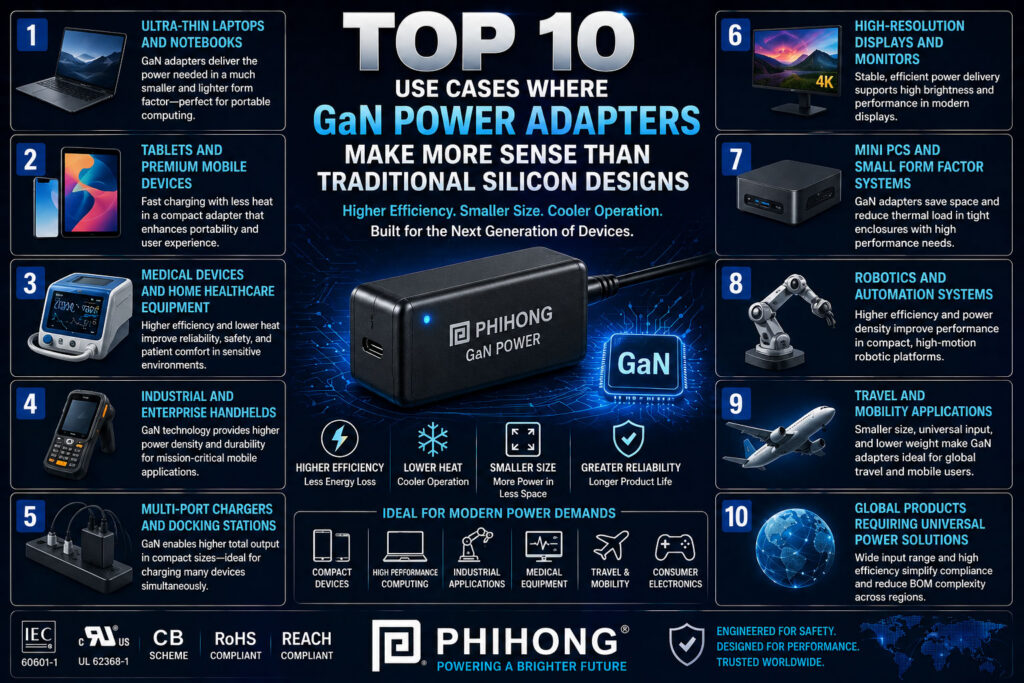
Why OEMs Are Moving Beyond Silicon Power Adapters
For decades, silicon-based power adapters have been the default across consumer, commercial, and medical electronics. They are reliable, well understood, and widely available. But as device performance increases and form factors shrink, silicon is starting to show its limitations, especially in thermal efficiency, size constraints, and power density.
GaN technology introduces a fundamental shift. Instead of trying to manage heat after it is generated, GaN reduces heat at the source by operating more efficiently at higher switching frequencies. This allows engineers to design smaller, lighter, and more powerful adapters without compromising reliability. In high-performance devices, this difference is no longer incremental. It is architectural.
Phihong’s GaN platform development reflects this shift clearly. Across its adapter lineup, GaN is positioned not just as a performance upgrade, but as a design enabler for next-generation products. The real question for OEMs is no longer “Should we use GaN?” but “Where does GaN provide the most advantage over silicon?”
Useful Links
- https://www.phihong.com/best-guide-to-gan-power-supplies-for-oems-industrial-medical-telecom/
- https://www.phihong.com/products/adapters/
- https://www.phihong.com/how-gallium-nitride-gan-is-powering-the-next-generation-of-compact-high-efficiency-robot-power-supplies/
Related Articles
- https://www.phihong.com/top-10-reasons-oems-are-switching-to-65w-usb-c-pd-gan-power-adapters/
- https://www.phihong.com/top-10-ways-gan-is-changing-thermal-design-in-compact-high-power-adapters/
- https://www.phihong.com/top-10-features-oems-should-look-for-in-a-high-density-gan-power-adapter/
FEATURED PRODUCTS
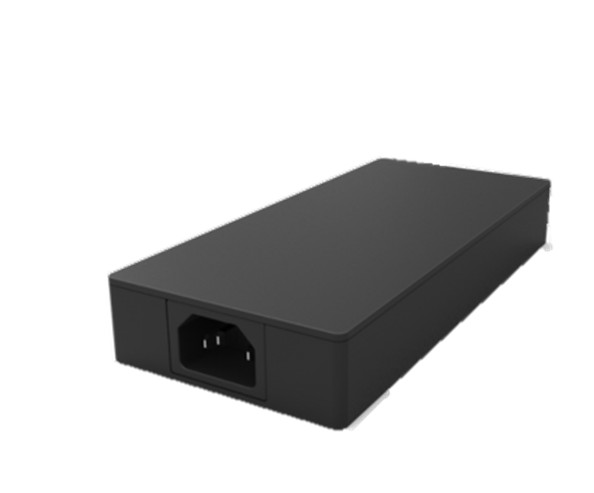
AA240U-200A-R
- Output Power - 240W
- Output Volt - 20V
- Output Current - 12A
- Features - high-efficiency desktop power supply designed for multiple applications, delivering a reliable 240W single output with advanced GaN technology for compact performance. Ideal for powering high-demand gaming systems etc with reduced heat and improved energy conversion.
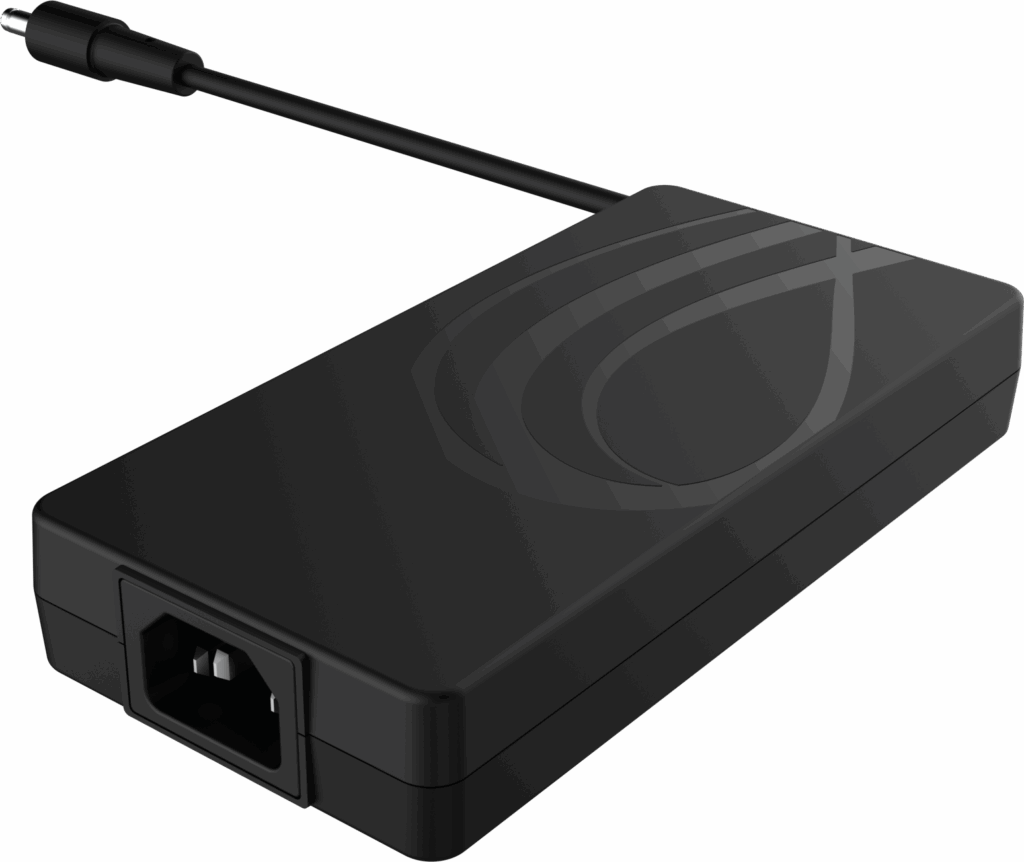
AA240U-200B-R
- Output Power - 240W
- Output Volt - 20V
- Output Current - 12A
- Features - This 240-watt GaN Series Desktop C14 Adapter delivers high power in a compact, efficient design, ideal for demanding professional and industrial applications. Its GaN technology ensures cooler operation, reliability, and space-saving performance.
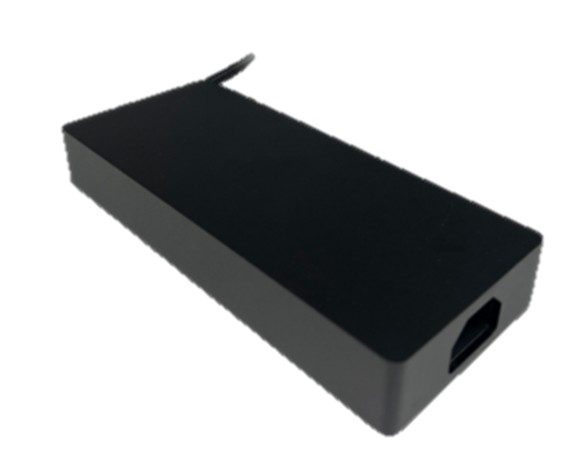
AA280U-200B-R
- Output Power - 280W
- Output Volt - 20V
- Output Current - 14A
- Features - high-efficiency desktop power supply designed for multiple applications, delivering a reliable 240W single output with advanced GaN technology for compact performance. Ideal for powering high-demand gaming systems etc with reduced heat and improved energy conversion.
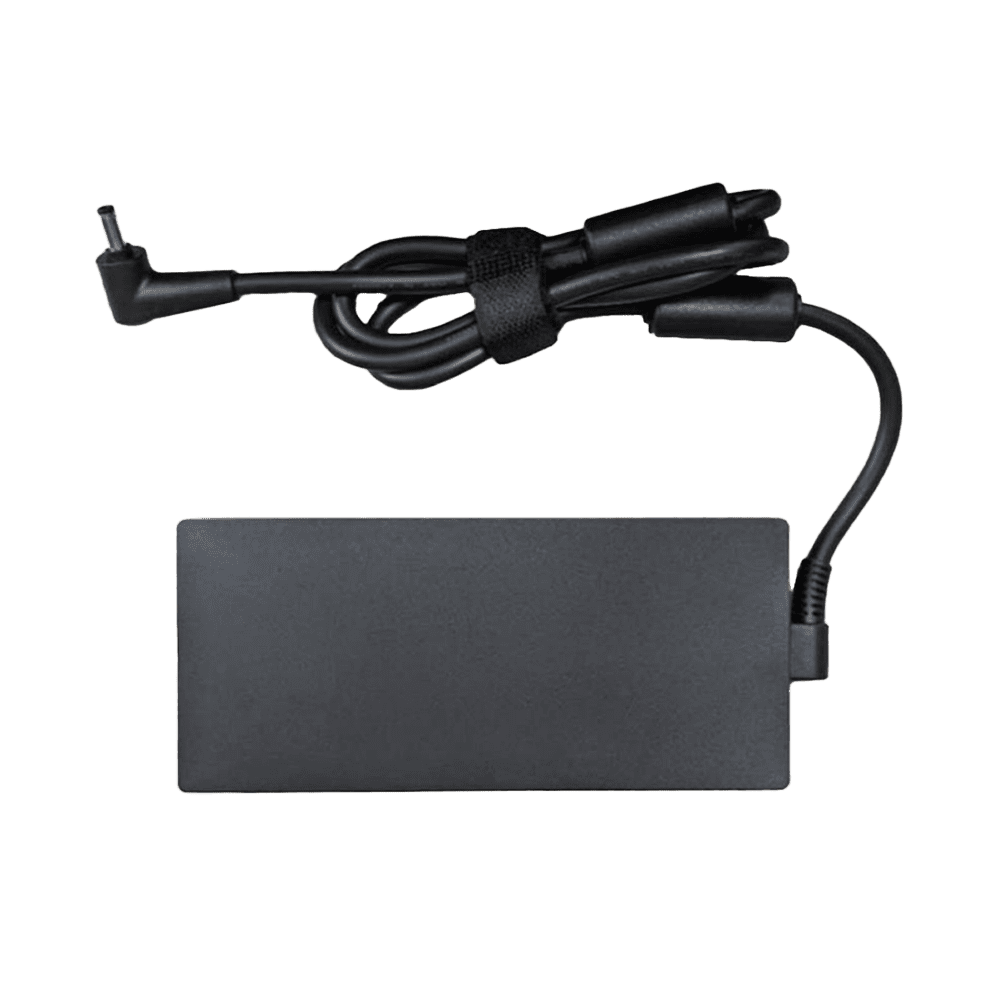
AM330U-200B(A)-R
- Output Power - 330W
- Output Volt - 20V
- Output Current - 16.5A
- Features - GaN (Gallium Nitride) Technology, DoE Level VI Compliance, 5,000 Meters Operating Altitude, Peak Load Capability, & 1” Low Profile Splash-Proof Case with IEC 60320 C14 Inlet

AQ18A-59CFC-H
- Output Power - 18W
- Output Volt - 5V/9V/12V/15V
- Output Current - 3A/2A/1.5A/1.2A
- Features - USB-C PD 3.0 Certified, Small Form Factor/High Power Density, DOE VII , Class B EMI, utilizes GAN technology to have an improved efficiency and faster charging while decreasing the size and weight of the product
- Application: Mobile Phone • Networking Devices • Tablet • Monitor etc

AQ18E-59CFC-H
- Output Power - 18W
- Output Volt - 5V/9V/12V/15V
- Output Current - 3A/2A/1.5A/1.2A
- # of ports - 1
- Features - USB-C PD 3.0 Certified, Small Form Factor/High Power Density, DOE VII , Class B EMI, COC Version 5 Tier 6, utilizes GAN technology to have an improved efficiency and faster charging while decreasing the size and weight of the product
- Application: Mobile Phone • Networking Devices • Tablet • Monitor

AQ18K-59CFC-H
- Output Power - 18W
- Output Volt - 5V/9V/12V/15V
- Output Current - 3A/2A/1.5A/1.2A
- # of ports - 1
- Features - USB-C PD 3.0 Certified, Small Form Factor/High Power Density, DOE VII , Class B EMI, COC Version 5 Tier 7,utilizes GAN technology to have an improved efficiency and faster charging while decreasing the size and weight of the product
- Application: Mobile Phone • Networking Devices • Tablet • Monitor etc
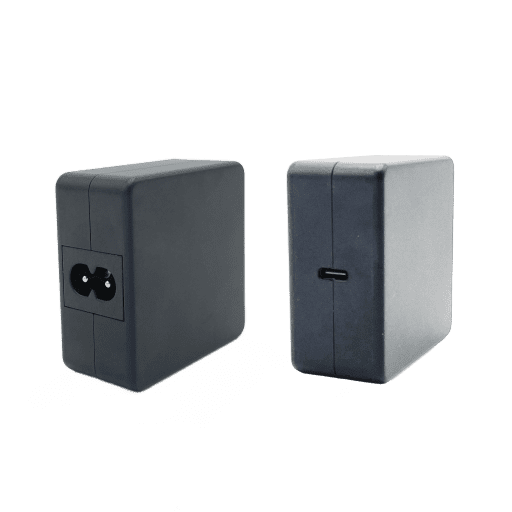
AQ60W-59FKKA-R
- Output Power - 60W
- Output Volt - 5V/9V/15V/20V
- Output Current - 3A/3A/3A/3A
- # of ports - 1
- Features - GaN Technology, USB Power Delivery 3.0, DoE Level VI Compliance, CoC Version 5 Tier 2 Compliance, 5,000 Meters Operating Altitude, Suitable for commercial and consumer electronic products

AQ65A-59FKB-R
- Output Power - 65W
- Output Volt - 5V/9V/15V/20V (PPS : 3.3V~21V)
- Output Current - 3A/3A/3A/3A
- # of ports - 1
- Features - GaN Technology, USB Power Delivery 3.0, DoE Level VI Compliance, CoC Version 5 Tier 2 Compliance, 5,000 Meters Operating Altitude, Suitable for commercial and consumer electronic products

AQ65E-59FKB-R
- Output Power - 65W
- Output Volt - 5V/9V/15V/20V (PPS : 3.3V~21V)
- Output Current - 3A/3A/3A/3A
- # of ports - 1
- Features - GaN Technology, USB Power Delivery 3.0, DoE Level VI Compliance, CoC Version 5 Tier 2 Compliance, 5,000 Meters Operating Altitude, Suitable for commercial and consumer electronic products

AQ65F-59FKA-R
- Output Power - 65W
- Output Volt - 5V/9V/15V/20V
- Output Current - 3A/3A/3A/3.25A
- # of ports - 1
- Features - GaN Technology, USB Type-C Foldable DoE Level VI Compliance, 5,000 Meters Operating Altitude, Suitable for commercial and consumer electronic products

AQ65K-59FKB-R
- Output Power - 65W
- Output Volt - 5V/9V/15V/20V (PPS : 3.3V~21V)
- Output Current - 3A/3A/3A/3A
- # of ports - 1
- Features - GaN Technology, USB Power Delivery 3.0, DoE Level VI Compliance, CoC Version 5 Tier 2 Compliance, 5,000 Meters Operating Altitude, Suitable for commercial and consumer electronic products

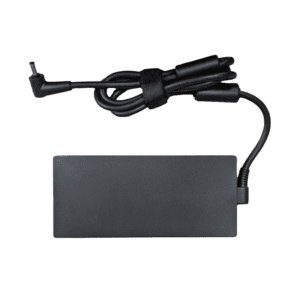
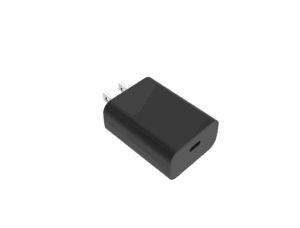
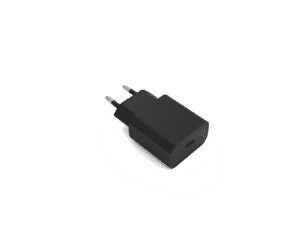
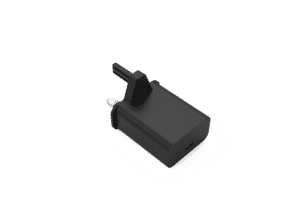
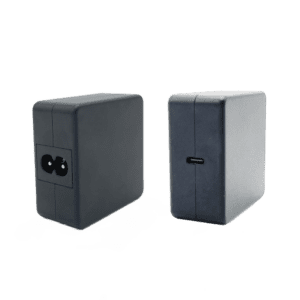
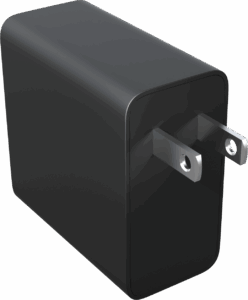
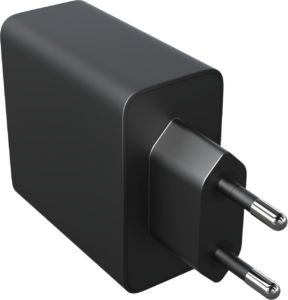
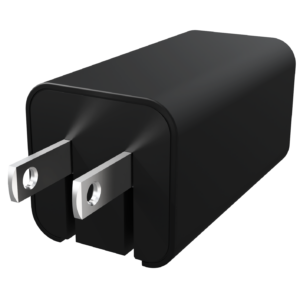
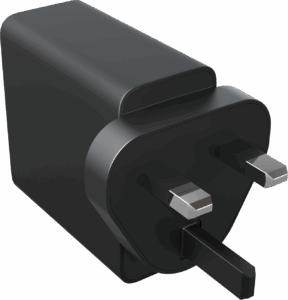
When Does GaN Clearly Outperform Traditional Silicon Designs?
GaN does not replace silicon in every situation. For low-power, cost-sensitive, or space-insensitive designs, silicon can still be a practical choice. However, when the design requires high efficiency, compact size, reduced heat, or high power density, GaN begins to deliver clear advantages.
The biggest differences appear in:
- compact high-wattage adapters
- thermally constrained environments
- portable high-performance devices
- multi-device USB-C ecosystems
- premium OEM product lines
Phihong’s GaN product direction aligns with these categories, particularly in the 65W to 330W range where silicon designs become bulky and thermally inefficient. This is where GaN transitions from “nice to have” to “design-critical.”
CLIENT'S QUOTE
Phihong’s custom OEM power solutions have transformed our product development, boosting performance and reducing overhead. Their expert engineering support has simplified both the design and manufacturing phases.
Top 10 Use Cases Where GaN Power Adapters Make More Sense Than Traditional Silicon Designs
1. High-Performance Laptops and Mobile Workstations
High-performance laptops demand sustained power for CPUs, GPUs, and high-refresh displays. Traditional silicon adapters in the 200W–330W range are often large, heavy, and thermally stressed. GaN adapters solve this by reducing heat and shrinking the overall form factor.
This allows OEMs to offer workstation-level performance with significantly improved portability. For users, it means less weight in travel bags and better usability in mobile environments.
From a design standpoint, GaN enables a more balanced system. The laptop becomes the dominant device, not the oversized power brick. This is one of the clearest use cases where GaN delivers immediate value.
2. Compact USB-C Docking Stations and Multi-Port Chargers
Modern docking stations and multi-port chargers require high output across multiple channels while maintaining efficiency. Silicon designs struggle with thermal buildup when delivering multiple outputs simultaneously.
GaN adapters excel here because they can handle higher switching frequencies with less energy loss. This allows OEMs to deliver more ports, higher combined wattage, and smaller enclosures.
This is especially relevant for enterprise users and creative professionals who rely on USB-C ecosystems for laptops, monitors, and accessories.
3. Portable Medical Devices and Diagnostic Equipment
Portable medical devices such as monitors, ultrasound units, and diagnostic tools benefit from GaN’s reduced heat and smaller size. In medical environments, thermal performance is not just about efficiency. It directly affects reliability and patient safety.
Phihong’s medical power strategy already emphasizes low leakage current and stable performance. When combined with GaN efficiency, this creates a cleaner and more stable power environment for sensitive electronics.
For OEMs, GaN helps reduce enclosure heat, improve reliability, and support compact medical designs without sacrificing performance.
4. Industrial Handheld Tools and Field Equipment
Industrial handheld devices often operate in environments where airflow is limited and reliability is critical. Silicon adapters can generate excess heat, which becomes a liability in enclosed or rugged designs.
GaN adapters reduce this risk by operating more efficiently and maintaining lower temperatures. This improves durability and allows for more compact designs.
In field applications, where equipment must be portable and dependable, GaN provides a clear advantage over traditional designs.
5. Gaming Laptops and High-Performance Consumer Electronics
Gaming systems push power consumption to the limit. Traditional adapters often become large and hot, which affects both usability and brand perception.
GaN allows OEMs to deliver high wattage in smaller, cooler adapters. This improves the overall product experience and aligns with premium positioning.
For gaming brands, this is not just a technical improvement. It is a competitive advantage in design and portability.
6. Battery-Intensive Devices Requiring Fast Charging
Devices with large batteries, such as tablets, laptops, and portable workstations, benefit from faster charging capabilities. GaN adapters support higher power delivery while maintaining efficiency.
This allows for quicker charge times without excessive heat generation. For users, this translates into less downtime and more productivity.
OEMs can leverage this capability to enhance user experience and differentiate their products.
7. Space-Constrained Embedded Systems
Embedded systems often have strict size limitations. Silicon-based adapters can force compromises in layout and enclosure design.
GaN’s compact form factor allows designers to integrate power solutions without sacrificing space for core components. This is especially valuable in compact commercial and industrial devices.
For OEMs, this flexibility simplifies design and improves overall system performance.
8. Premium OEM Product Lines Focused on Design and Portability
In premium product categories, design matters as much as performance. Large, bulky adapters can undermine the perceived quality of a device.
GaN enables sleek, minimalist designs that align with modern industrial design trends. Smaller adapters contribute to a more refined product experience.
This is particularly important for brands positioning themselves at the high end of the market.
9. Multi-Device Charging Ecosystems
As users rely on multiple devices, the need for versatile charging solutions increases. GaN adapters can support multiple outputs and dynamic power allocation more effectively than silicon designs.
This allows a single adapter to power multiple devices without performance loss. For OEMs, this simplifies product ecosystems and reduces accessory complexity.
It also aligns with user expectations for convenience and flexibility.
10. High-Wattage Adapters Where Thermal Limits Define Design
At higher wattages, thermal constraints become the primary design challenge. Silicon adapters require larger enclosures and more aggressive cooling strategies.
GaN reduces these constraints by improving efficiency and lowering heat generation. This allows OEMs to push power limits without increasing size.
In applications like 300W+ adapters, GaN is not just beneficial. It is often the only practical way to achieve both performance and portability.
The shift from silicon to GaN is not happening evenly across all applications. It is happening where the benefits are most impactful. High-performance, compact, and thermally constrained designs are leading the transition.
For OEMs, understanding where GaN provides real advantages helps guide smarter design decisions. It is not about replacing silicon everywhere. It is about using the right technology where it matters most.
How Phihong Helps OEMs Transition from Silicon to GaN Power Solutions
Phihong’s GaN adapter platforms provide OEMs with a clear path to adopting next-generation power technology. By combining efficiency, compact design, and reliable performance, these solutions support a wide range of applications from portable devices to high-performance systems.
Phihong’s experience in both traditional and GaN power design allows OEMs to evaluate tradeoffs and select the best approach for their products. This reduces risk and accelerates development.
As GaN adoption continues to grow, OEMs that integrate it strategically will be better positioned to deliver competitive, future-ready products.

CONTACT US TODAY
From concept to production, Phihong delivers custom OEM power solutions tailored to your specifications.
POE technology supports the centralization of power

AC Adapter Guide: Everything You Need to Know
Moreover, PoE technology supports the centralization of power management. By powering devices through a PoE-enabled network …
AC DC Power Chargers and How They Work: A Comprehensive Technical Breakdown
Moreover, PoE technology supports the centralization of power management. By powering devices through a PoE-enabled network …

USB-C Charger: Shaping the Future of the Tech World
Moreover, PoE technology supports the centralization of power management. By powering devices through a PoE-enabled network …

AC Adapter Guide: Everything You Need to Know
Moreover, PoE technology supports the centralization of power management. By powering devices through a PoE-enabled network …

AC DC Power Chargers and How They Work: A Comprehensive Technical Breakdown
Moreover, PoE technology supports the centralization of power management. By powering devices through a PoE-enabled network …

USB-C Charger: Shaping the Future of the Tech World
Moreover, PoE technology supports the centralization of power management. By powering devices through a PoE-enabled network …